







In the heart of Jeonju, a culinary gem awaits those adventurous enough to explore its European-inspired countryside cuisine. Imagine biting into a dish that feels like a warm hug from a distant land, where rustic flavors dance on the palate and every bite tells a story. This isn’t just food; it’s a passport to flavor town without the jet lag.
Overview of 전주的歐式鄉村料理
전주的歐式鄉村料理 combines the essence of traditional European country cooking with the unique flavors of Korea. This culinary style features hearty ingredients, often sourced locally, reflecting a commitment to freshness and quality. Each dish tells a story, allowing diners to experience both nostalgia and novelty.
Seasonal vegetables play a crucial role in this cuisine. Local farmers contribute organic produce that enhances the colors and textures on the plate. Dishes frequently incorporate ingredients like potatoes, carrots, and greens, offering wholesome and satisfying meals.
Meats also hold significance in 전주的歐式鄉村料理. Various cuts of meat, including pork and chicken, undergo careful preparation and slow cooking methods that intensify flavors. Marinades and spices create depth, making each bite memorable.
Bread features prominently, serving as an accompaniment or main component. Traditional European breads, such as sourdough and rye, often accompany meals, inviting diners to indulge in the comforting experience of dipping and savoring.
A selection of cheeses complements the culinary offerings. Artisan producers create unique cheese varieties that pair well with both local wines and international selections. This combination elevates the dining experience, marrying flavors from different regions.
Desserts round out the meal, providing a sweet finish. Cakes and pastries, inspired by European traditions, bring a sense of indulgence. Many desserts feature seasonal fruits, ensuring a refreshing touch.
전주的歐式鄉村料理 embodies a rich tapestry of flavors and traditions, each dish crafted to evoke a sense of place and a journey. This cuisine invites exploration and enjoyment, making it a highlight of the Jeonju culinary scene.
Key Ingredients and Flavors
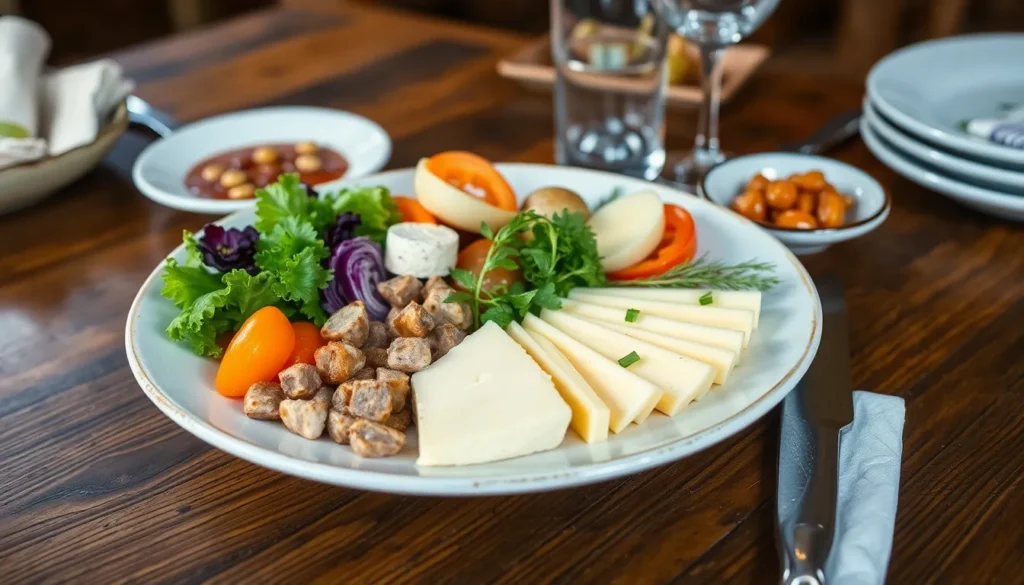
Jeonju’s European-inspired countryside cuisine features a blend of traditional and modern tastes. Emphasis resides on using fresh, local ingredients that celebrate the region’s agricultural diversity.
Traditional Ingredients
Seasonal vegetables like potatoes, carrots, and greens form the foundation of many dishes. Each vegetable contributes unique colors and textures, enhancing overall appeal. Pork and chicken frequently take center stage; these meats undergo careful preparation and slow cooking, which boosts their natural flavors. Artisan cheeses play a crucial role, offering rich varieties that pair well with local wines. Sourdough and rye breads are standard accompaniments, inviting diners to enjoy the tradition of dipping. These ingredients together create a welcoming, hearty dining experience that reflects the essence of countryside cooking.
Modern Twists
Creative chefs incorporate innovative techniques into traditional recipes. Infusions of international spices and flavors add exciting dimensions to classic dishes. For example, exotic herbs and marinades elevate meats beyond traditional Korean profiles. Presentation also evolves; vibrant plating enhances visual appeal, drawing diners’ attention.
Adaptations of classic desserts feature seasonal fruits with a contemporary flair, appealing to a modern palate. While rooted in tradition, these modern twists keep the cuisine fresh and engaging, attracting food lovers seeking something unique within Jeonju’s vibrant culinary landscape.
Popular Dishes in 전주的歐式鄉村料理
전주的歐式鄉村料理 offers a delightful variety of signature dishes and seasonal specialties that capture the essence of both European and Korean culinary traditions.
Signature Dishes
Hearty stews and slow-cooked meats form the backbone of the signature dishes. Notable examples include a rich pork goulash, flavored with herbs and spices and served with crusty sourdough. Another popular option features chicken, marinated and roasted to achieve a crispy exterior while maintaining succulent juiciness inside. Artisan cheeses play a crucial role, adding creamy textures that elevate the culinary experience. Diners often enjoy these dishes alongside fresh salads, utilizing local greens and seasonal vegetables to enhance flavors and presentation.
Seasonal Specialties
Jeonju’s seasonal specialties highlight the region’s agricultural bounty. During spring, fresh asparagus and radishes grace the menu, often incorporated into vibrant salads or savory tarts. Summer brings ripe tomatoes and peppers, perfect for refreshing gazpachos or stuffed vegetables. Autumn introduces hearty root vegetables like pumpkins and carrots, showcasing them in comforting casseroles. Winter menus often feature warming dishes with rich broths, emphasizing seasonal ingredients for optimal flavor. By focusing on local produce, chefs celebrate seasonal changes and provide diners with unique, time-sensitive flavors.
The Cultural Significance
Culinary traditions often reflect the identity of a region, and 전주的歐式鄉村料理 embodies a blend of cultural influences. This cuisine showcases the intersection of European techniques and Korean flavors, offering a unique dining experience that resonates with local heritage.
Fresh ingredients highlight the region’s agricultural richness. Vegetables like potatoes and carrots seasonally enhance dishes, while meats like pork and chicken provide comforting sustenance. Chefs prioritize these ingredients, intertwining traditional and contemporary practices to create engaging meals.
Artisan bread plays an essential role in this culinary landscape. Varieties such as sourdough and rye serve not only as sides but also elevate the overall taste experience. Pairing these breads with locally sourced cheeses and wines strengthens the connection to both local and international culinary traditions.
Cultural stories often unfold through food. Hearty stews and slow-cooked meats connect diners to the past, representing the comforts of home and companionship. Every dish offers a narrative, inviting those who partake to experience a slice of Jeonju’s history and warmth.
Seasonal changes also bring diversity to the menu. Ingredients reflect the agricultural cycle, with spring’s asparagus and summer’s tomatoes captivating diners. Autumn roots and winter’s rich broths provide comforting options that fulfill the need for warmth during colder months.
Desserts, influenced by European customs, utilize seasonal fruits to create a sweet conclusion to meals. By celebrating fresh produce, chefs tell stories about the land and foster appreciation for local bounty, creating a lasting cultural impact within Jeonju’s vibrant culinary scene.
Exploring Local Restaurants
Jeonju boasts a diverse range of local restaurants, each showcasing the richness of 전주的歐式鄉村料理. Diners find a deep connection to the region’s agricultural heritage through menus filled with seasonal produce. Multiple establishments focus on hearty stews, slow-cooked meats, and a medley of fresh vegetables, reflecting the culinary traditions of Europe intertwined with Korean flavors.
Visitors often indulge in signature dishes like rich pork goulash served alongside crusty sourdough bread. The marinated roasted chicken stands out with its tender finish, while seasonal specialties showcase the freshest ingredients. Spring menus may feature dishes highlighting asparagus and radishes, while summer brings ripe tomatoes and peppers to the forefront.
Locally sourced ingredients form the backbone of many restaurants, enhancing the vibrant colors and enticing textures of each dish. Rustic presentation elevates the visual appeal, inviting customers to try dishes crafted with care. Diners experience not just a meal but a journey through flavors that evoke a sense of place and time.
Wine selections accompany meals beautifully, with both local and international varieties enhancing the dining experience. Artisan cheeses further complement offerings, providing a perfect pairing for bread and meats. Desserts influenced by European traditions often include seasonal fruits, creating sweet endings to memorable meals.
Food lovers seeking unique flavors find joy in exploring Jeonju’s culinary landscape. Creative chefs continually innovate, incorporating international spices and techniques while respecting traditional roots. Each restaurant plays a vital role in celebrating the region’s rich tapestry of flavors, making Jeonju a culinary destination for both locals and tourists.
Jeonju’s European-inspired countryside cuisine offers a remarkable fusion of flavors that captivates both locals and visitors. Each dish tells a story through its rich ingredients and thoughtful preparation, inviting diners to experience a blend of comfort and adventure.
The emphasis on seasonal produce not only highlights the region’s agricultural bounty but also reflects the ever-changing culinary landscape. With innovative chefs pushing boundaries while honoring tradition, Jeonju stands out as a vibrant culinary destination.
Whether indulging in hearty stews or savoring artisan cheeses, every meal is a celebration of flavors and cultural heritage. Jeonju’s 전주的歐式鄉村料理 is more than just food; it’s an invitation to explore the essence of a region steeped in history and creativity.